
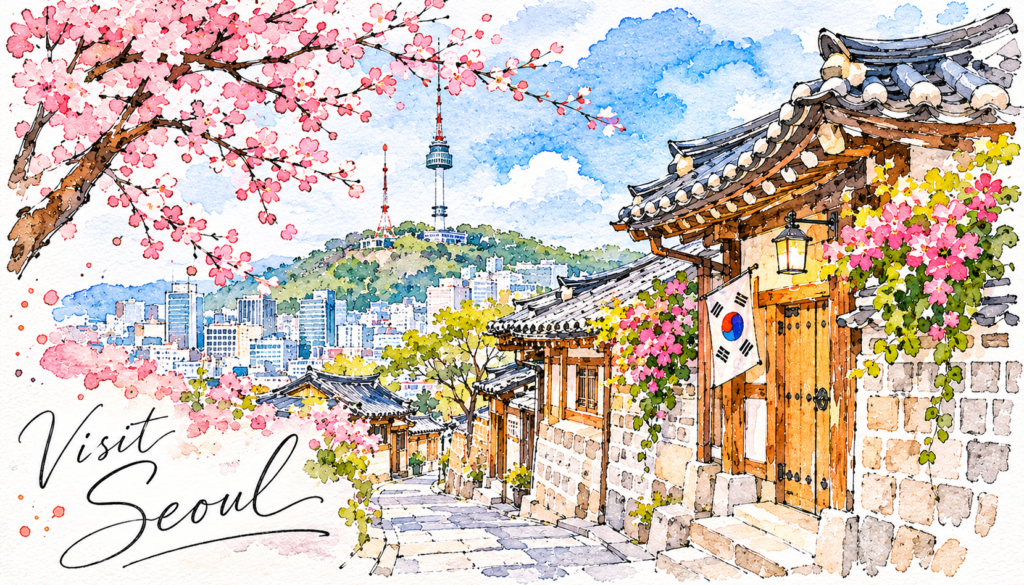
There are cities that impress you with their history, others that captivate you with their modernity, and a few that somehow manage to offer both. Seoul is one of them.
South Korea’s capital is a fascinating mixture of contrasts. Centuries-old royal palaces stand against a backdrop of skyscrapers. Traditional wooden houses hide between modern cafés and fashionable boutiques. Peaceful temples offer a moment of silence, while just a few subway stops away, crowded streets buzz with music, shopping, and nightlife.
Perhaps that’s what makes Seoul such an interesting destination. It isn’t a city that belongs entirely to the past or the future. Instead, both seem to exist side by side.
Whether you’re planning your first visit to South Korea or looking for inspiration for your next adventure, here are 10 unforgettable things to do in Seoul, along with practical tips to help you make the most of your time.
1. Step Into Korea's Royal Past at Gyeongbokgung Palace
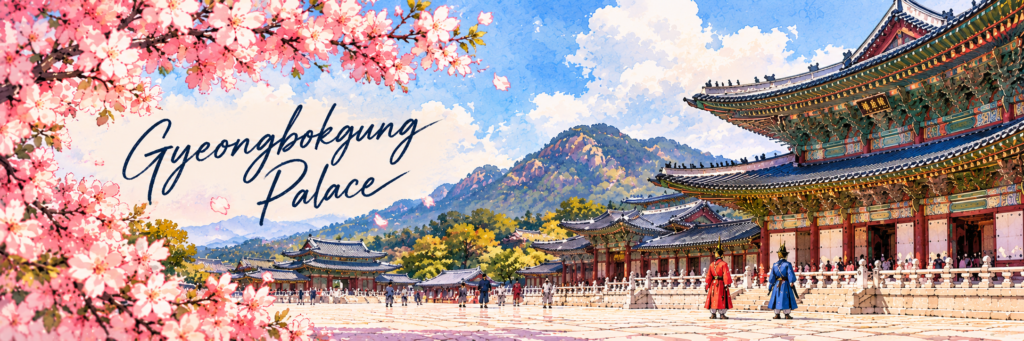
If there’s one attraction that deserves a place on every first-time visitor’s itinerary, it’s Gyeongbokgung Palace.
Built in 1395, this magnificent complex was the main royal palace of the Joseon Dynasty. Today, its grand gates, colorful wooden pavilions, elegant courtyards, and mountain backdrop offer a glimpse into Korea’s royal history.
Walking through the palace grounds feels like entering another era. The contrast between the traditional architecture and the modern city beyond its walls is particularly striking.
One of the most popular experiences is watching the Royal Guard Changing Ceremony at Gwanghwamun Gate, where guards dressed in traditional uniforms recreate a historical royal ritual.
For an even more memorable visit, consider renting a hanbok, Korea’s traditional clothing. You’ll see visitors wandering through the palace in beautiful, colorful outfits, and wearing a qualifying hanbok also allows free admission to several royal palaces, including Gyeongbokgung.
Tips for visiting:
- Arrive early to enjoy the palace before the largest crowds.
- Gyeongbokgung is generally closed on Tuesdays, so plan accordingly.
- Don’t miss Gyeonghoeru Pavilion and the picturesque Hyangwonjeong Pavilion.
- Allow approximately 2–3 hours if you want to explore without rushing.
- Check the palace’s official schedule for the guard ceremony and seasonal opening hours.
2. Wander Through the Traditional Streets of Bukchon Hanok Village
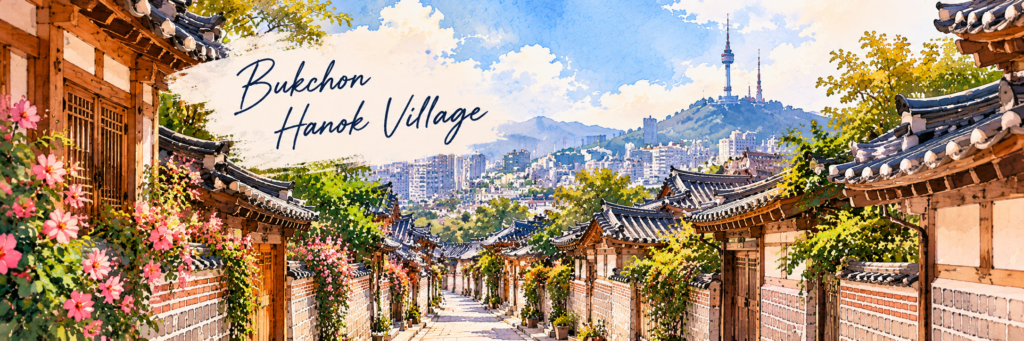
Seoul’s modern skyline might dominate its appearance today, but hidden among its busy streets are neighborhoods that preserve the city’s architectural heritage.
Bukchon Hanok Village is one of the most beautiful examples.
Situated between Gyeongbokgung and Changdeokgung palaces, this historic neighborhood is famous for its hanok, traditional Korean houses characterized by curved tiled roofs, wooden structures, and intimate courtyards.
The narrow streets climb gently uphill, revealing charming architectural details and occasional views across the rooftops toward modern Seoul.
It’s the kind of place where slowing down makes all the difference.
However, Bukchon isn’t an open-air museum. It’s a residential neighborhood where people still live, and increasing tourism has brought challenges for its residents.
Tips for visiting:
- Respect designated visiting hours and restricted residential areas. Parts of Bukchon have regulated tourist access.
- Keep your voice low and avoid photographing residents or private courtyards without permission.
- Wear comfortable shoes; some streets are steep.
- Combine your visit with nearby Samcheong-dong, known for galleries, boutiques, and cafés.
The beauty of Bukchon lies not only in its traditional buildings, but in the reminder that Seoul’s history remains part of everyday life.
3. Taste Your Way Through Gwangjang Market
One of the most enjoyable ways to understand a destination is through its food.
And in Seoul, Gwangjang Market is an excellent place to begin.
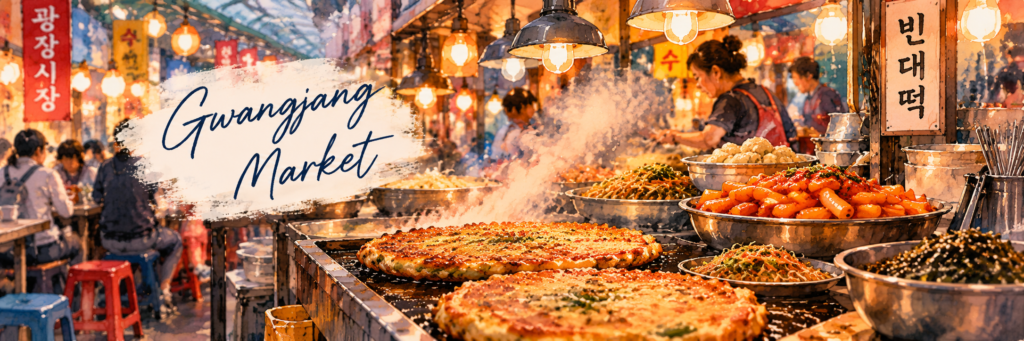
Established in the early twentieth century, this bustling traditional market is famous for its food stalls, where vendors prepare Korean dishes right in front of their customers.
The atmosphere is lively, sometimes chaotic, and wonderfully authentic to the experience of a busy city market.
Steam rises from enormous cooking pots, pancakes sizzle on hot griddles, and customers squeeze onto narrow benches to enjoy freshly prepared meals.
Some dishes worth trying include:
- Bindaetteok: Crispy mung bean pancakes, often served with a dipping sauce.
- Mayak gimbap: Small seaweed rice rolls, typically enjoyed with mustard-based sauce.
- Tteokbokki: Chewy rice cakes in a spicy, slightly sweet sauce.
- Kalguksu: Handmade knife-cut noodles served in a comforting broth.
- Yukhoe: Korean-style seasoned raw beef, for adventurous eaters who are comfortable eating raw meat.
Even if you’re unfamiliar with Korean cuisine, wandering through the market and discovering something new is part of the experience.
Tips for visiting:
- Bring some cash, as payment options can vary between stalls.
- Visit outside peak lunch hours if you prefer a less crowded experience.
- Try several small dishes rather than filling up at the first stall.
- Check prices before ordering, particularly at popular tourist-facing stalls.
- If you have food allergies or dietary restrictions, prepare a Korean translation explaining them.
4. Enjoy Spectacular Views from N Seoul Tower
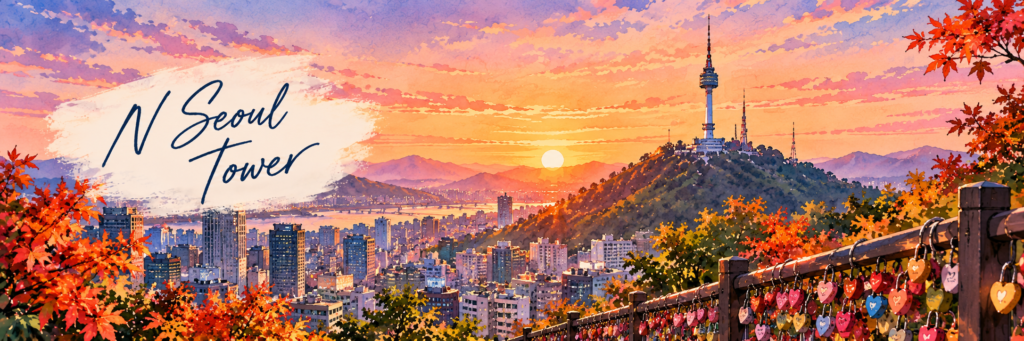
For a different perspective on Seoul, head toward Namsan Mountain, where the iconic N Seoul Tower rises above the city.
Originally constructed as a broadcasting tower, it has become one of Seoul’s most recognizable landmarks.
The surrounding Namsan Park is worth exploring in its own right, with walking paths, greenery, and viewpoints overlooking the capital.
Visitors can reach the tower area by walking uphill or using transport connections, including the famous Namsan Cable Car.
At the top, you’ll discover panoramic views of Seoul’s enormous urban landscape, stretching toward the surrounding mountains.
The tower is also known for its colorful love locks, left by couples as symbols of affection.
While the observation deck offers an elevated viewing experience, you don’t necessarily need to purchase a ticket to enjoy the scenery. The outdoor areas around the tower also provide impressive views.
Tips for visiting:
- Visit shortly before sunset to experience Seoul in daylight and after dark.
- Check visibility and air quality before purchasing an observation deck ticket.
- Consider walking through Namsan Park if you enjoy nature and don’t mind an uphill climb.
- Expect queues during weekends, holidays, and sunset hours.
Watching the city illuminate as darkness falls is a wonderful reminder of just how enormous Seoul really is.
5. Discover Traditional Korean Culture in Insadong
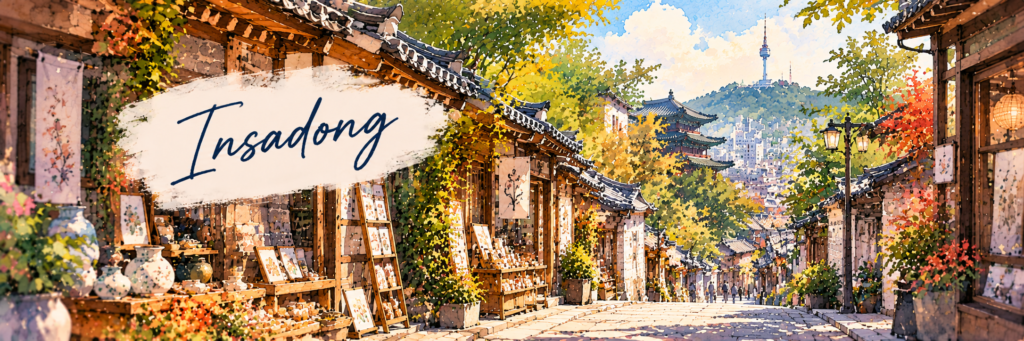
If you’re searching for a more traditional side of Seoul, Insadong is a lovely neighborhood to explore.
Known for its galleries, antique shops, calligraphy supplies, handicrafts, and traditional tea houses, the area offers a quieter cultural experience than Seoul’s major shopping districts.
Along Insadong-gil, the neighborhood’s main street, you’ll find shops selling everything from handmade ceramics and Korean paper products to artwork and traditional souvenirs.
One particularly enjoyable experience is visiting a Korean tea house.
Instead of rushing between attractions, settle into a peaceful room, order a cup of traditional tea, and appreciate a slower moment in the middle of the city.
Insadong is also an excellent place to discover Korean craftsmanship and purchase souvenirs that reflect the country’s artistic heritage.
Tips for visiting:
- Explore the smaller side streets rather than staying exclusively on the main road.
- Look for traditional crafts made by local artisans.
- Visit Ssamziegil, a distinctive shopping complex featuring small creative shops.
- Combine Insadong with nearby Ikseon-dong, where renovated hanok buildings house cafés and restaurants.
6. Experience Seoul's Youth Culture in Hongdae
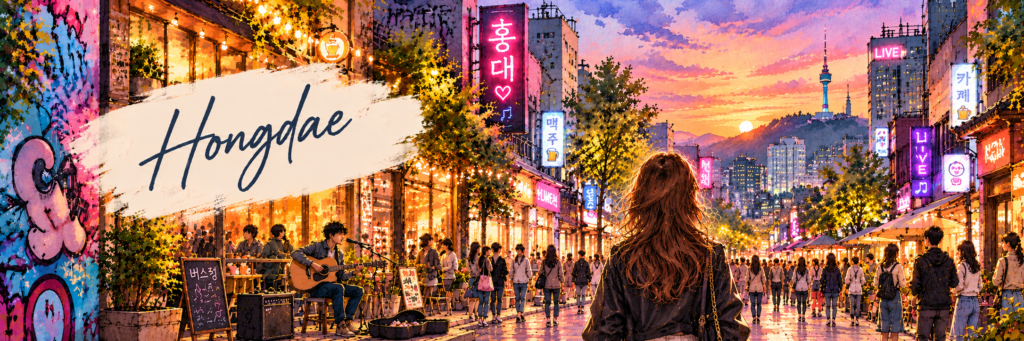
Seoul has a reputation for being one of Asia’s most exciting modern cities, and Hongdae is an excellent place to discover why.
Located near Hongik University, this neighborhood is associated with youthful creativity, independent art, fashion, music, and nightlife.
During the day, visitors can browse fashionable boutiques, independent shops, cafés, and quirky photo studios.
As evening approaches, Hongdae transforms into a lively entertainment district.
Street performers attract crowds, music fills the streets, and restaurants and bars welcome people looking to enjoy Seoul after dark.
For travelers interested in K-pop, Korean fashion, or contemporary youth culture, Hongdae provides a particularly entertaining introduction.
But even if those aren’t your interests, simply wandering through the neighborhood can be an enjoyable experience.
Tips for visiting:
- Arrive in the late afternoon and stay into the evening to experience the neighborhood’s changing atmosphere.
- Explore the smaller streets for independent cafés and shops.
- Look out for street performances, particularly on busy evenings.
- Consider visiting nearby Yeonnam-dong for a more relaxed café atmosphere and a walk along Gyeongui Line Forest Park.
7. Escape the Busy Streets Along the Han River
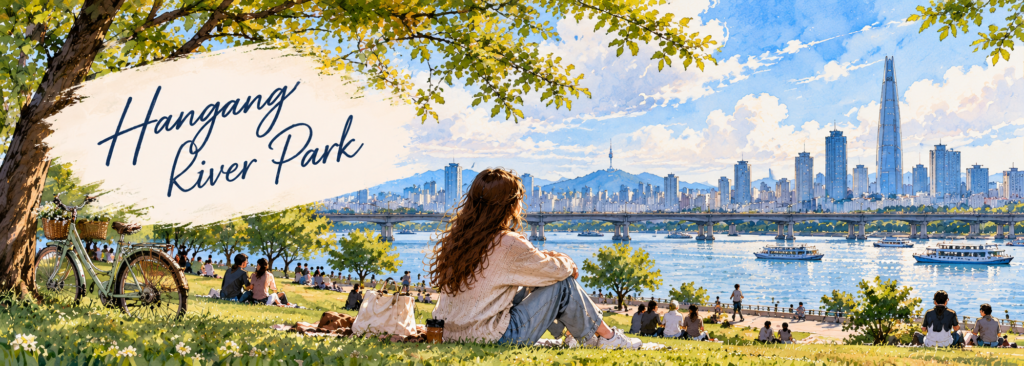
With so much to see and do in Seoul, it’s easy to forget that sometimes the most memorable travel experiences involve doing very little.
The Han River, known locally as the Hangang, runs through the city and is surrounded by public parks, cycling paths, recreational spaces, and beautiful viewpoints.
For locals, the riverside parks are popular places to exercise, socialize, enjoy picnics, or simply relax.
Visitors can join in by renting a bicycle, taking a leisurely walk, or finding a comfortable spot on the grass.
Yeouido Hangang Park is particularly popular for its open spaces and riverside atmosphere.
Another memorable experience is enjoying a casual picnic with convenience-store snacks or Korean fried chicken while watching the city lights reflect on the water.
Tips for visiting:
- Visit around sunset for especially beautiful views.
- Consider renting a bicycle to explore more of the riverside paths.
- Bring a picnic blanket if you plan to relax on the grass.
- Check whether seasonal events or fountain performances are scheduled during your stay.
- Dispose of your rubbish properly and follow park rules.
Sometimes, watching everyday life unfold is just as rewarding as visiting another famous landmark.
8. Explore Myeongdong's Shopping Streets and Korean Beauty Culture
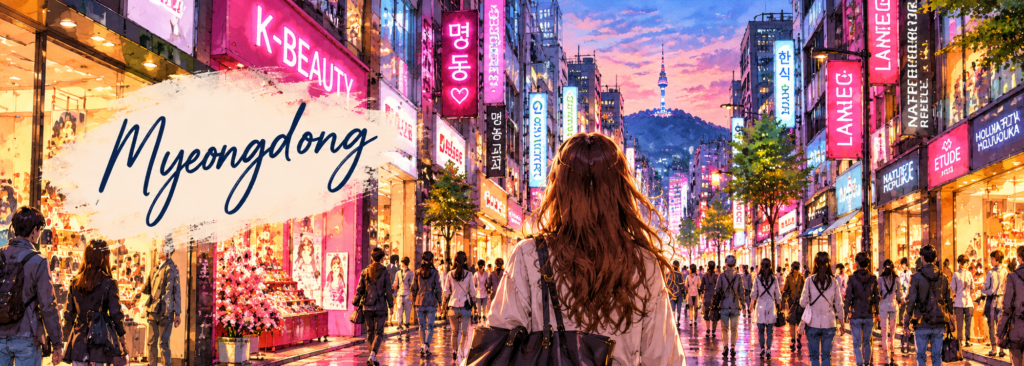
South Korea has become internationally famous for its skincare, cosmetics, fashion, and beauty innovations.
And if you want to experience this side of Korean culture, Myeongdong is one of Seoul’s best-known shopping districts.
Its busy pedestrian streets are packed with cosmetic stores, fashion boutiques, international brands, restaurants, and food vendors.
You’ll find everything from Korean sheet masks and skincare products to fashionable accessories and popular street snacks.
Even if shopping isn’t your favorite activity, Myeongdong is worth visiting for its energetic atmosphere.
As evening approaches, the streets become particularly lively, with illuminated storefronts and food stalls drawing crowds of visitors.
Tips for visiting:
- Compare prices between stores before purchasing cosmetics; promotions vary.
- Bring your passport if you plan to use tax-refund services where eligible.
- Be aware that some street-food stalls cater heavily to tourists and may charge higher prices.
- Visit Myeongdong Cathedral if you’d like a peaceful contrast to the surrounding shopping streets.
- Allow time to wander without a strict shopping list.
9. Discover Seoul's Contemporary Side at Dongdaemun Design Plaza
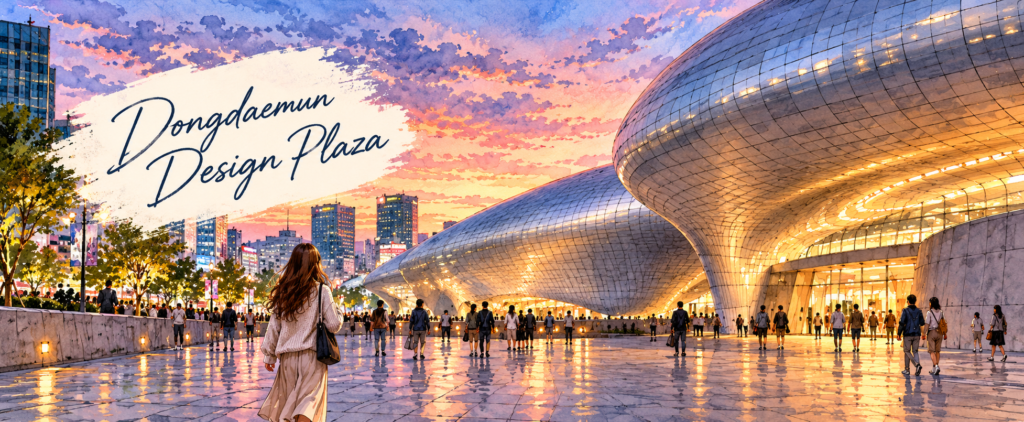
Seoul isn’t only a city of historic architecture. It’s also a destination for travelers interested in design, innovation, and contemporary culture.
One of its most distinctive modern landmarks is Dongdaemun Design Plaza, commonly known as DDP.
Designed by architect Zaha Hadid, this futuristic cultural complex is immediately recognizable for its flowing curves and metallic exterior.
Rather than resembling a conventional building, its architecture feels almost sculptural.
Inside and around the complex, visitors can discover exhibitions, design-related events, shops, and public spaces, depending on the current program.
The surrounding Dongdaemun area is also associated with fashion, shopping, and Seoul’s textile industry.
Tips for visiting:
- Check the official DDP exhibition calendar before your visit.
- Explore the exterior from different angles to appreciate the unusual architecture.
- Visit after dark to see the building in a different atmosphere; lighting and installations vary.
- Combine your visit with the nearby Dongdaemun shopping area or Cheonggyecheon Stream.
- Some exhibitions require tickets, while public areas can be explored without paying admission.
10. Explore the Royal Gardens of Changdeokgung Palace
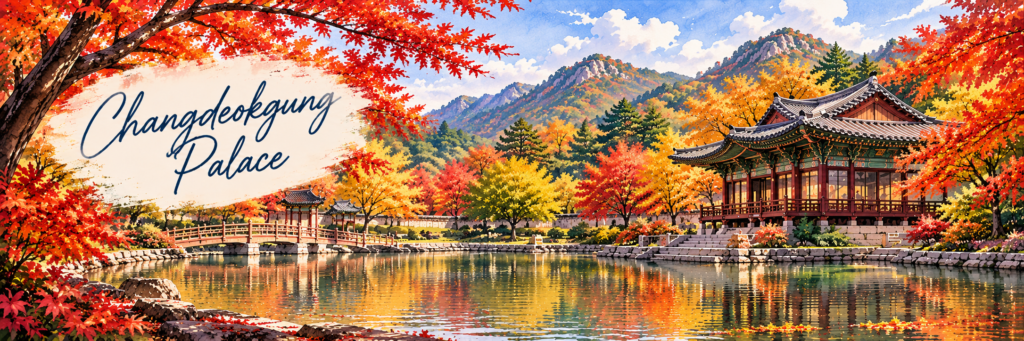
Although Gyeongbokgung is Seoul’s most famous royal palace, Changdeokgung deserves attention for a different reason.
This UNESCO World Heritage Site is particularly celebrated for its architecture and the way its buildings harmonize with the surrounding landscape.
Unlike the formal symmetry of some royal complexes, Changdeokgung was designed to follow the natural contours of the terrain.
Its most famous attraction is Huwon, commonly called the Secret Garden.
Historically used by the royal family, the garden features beautiful ponds, traditional pavilions, wooded paths, and carefully preserved landscapes.
It’s a wonderful place to appreciate a different side of Korean architectural philosophy, where nature and human-made structures exist in harmony.
The gardens are especially beautiful during autumn, when the leaves turn shades of red, orange, and gold.
Tips for visiting:
- Check Secret Garden admission and reservation requirements in advance; access is controlled and tickets can sell out.
- Allow sufficient time for both the palace and garden.
- Wear comfortable walking shoes, as the garden includes slopes and uneven paths.
- Spring and autumn are particularly attractive seasons.
- Combine Changdeokgung with nearby Bukchon or Ikseon-dong.
Practical Tips for Visiting Seoul
How long should you stay?
For a first visit, four to five days is a reasonable amount of time to explore Seoul’s main attractions without feeling constantly rushed.
If you want to visit more neighborhoods, discover local cafés, take a day trip, or explore beyond the usual tourist sights, a week would be even better.
Getting around Seoul
Seoul has an extensive public transportation network, making the subway one of the most convenient ways to explore the city.
Consider purchasing a T-money transportation card, which can be used on much of the public transport network and at participating retailers.
For navigation, download Naver Map or KakaoMap. These are particularly useful in South Korea, where some international mapping applications offer limited navigation functionality.
When is the best time to visit?
Spring and autumn are generally considered particularly pleasant seasons.
Spring brings cherry blossoms and milder temperatures, while autumn offers colorful foliage and comfortable conditions for exploring on foot.
Summer can be hot, humid, and rainy, while winter brings cold temperatures and occasional snow.
A few cultural considerations
Learning a few basic Korean expressions can make everyday interactions easier. Even simple words such as annyeonghaseyo (hello) and gamsahamnida (thank you) are worth remembering.
When visiting palaces, temples, and traditional neighborhoods, respect local customs and posted restrictions.
And although card payments are widely accepted, carrying a small amount of cash can still be helpful, especially at markets and smaller establishments.
Final Thoughts: A City of Contrasts
What makes Seoul such a fascinating destination isn’t necessarily one particular landmark.
It’s the contrast between everything the city has to offer.
You can spend your morning walking through the courtyards of a centuries-old palace, enjoy lunch at a bustling traditional market, browse contemporary fashion in the afternoon, and finish your day overlooking a skyline illuminated by thousands of lights.
There is history, creativity, nature, food, and an unmistakable sense of movement.
But beyond its famous attractions, Seoul also invites you to pay attention to the ordinary moments: a quiet cup of tea, an unexpected side street, a conversation over food, or an evening spent beside the river.
Because sometimes the most lasting impressions of a place aren’t the ones you planned to experience.
They’re the ones you discover along the way.
XOXO,
Andy